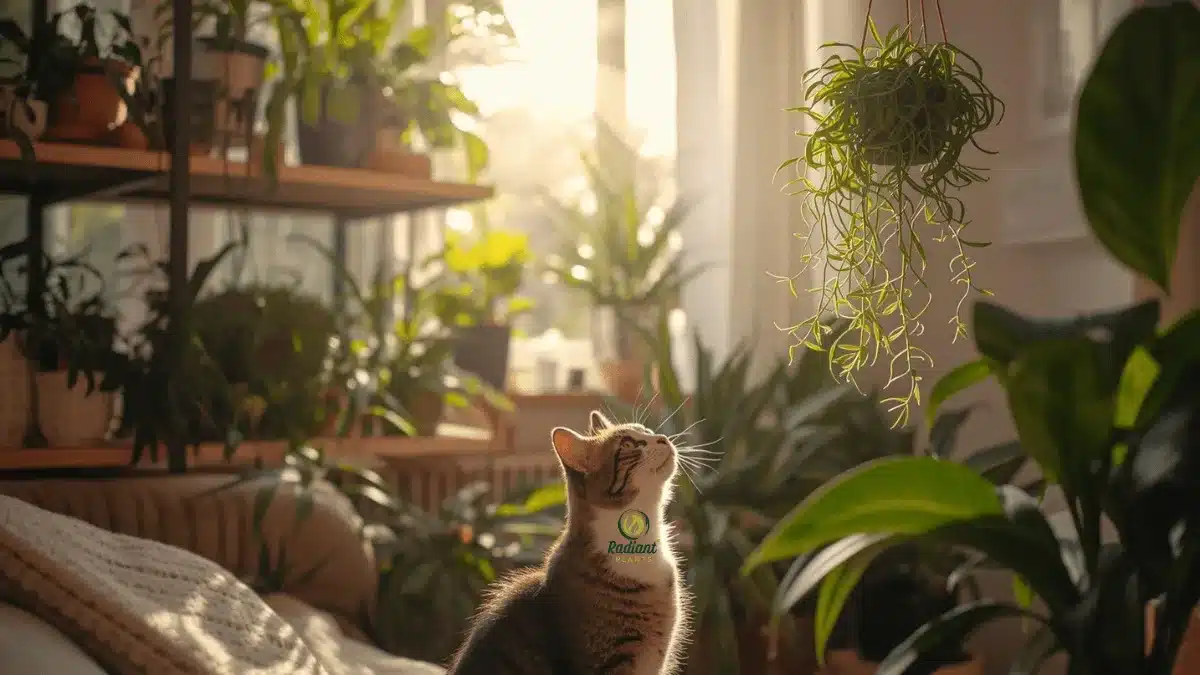
If you have a furry companion, it's crucial to choose flowers/plants/blooms that are safe for them. Many popular/common/typical flowers can be toxic/harmful/dangerous to pets if ingested. {Lilies, for instance, are especially toxic to cats. Some other blooms like/such as/including tulips and daffodils can also cause illness in dogs and cats. Luckily, there are plenty of beautiful/gorgeous/lovely flowers that are safe/harmless/non-toxic for your feline/canine/furry friend to enjoy.
- Consider/Choose/Opt for {roses, sunflowers, or zinnias. These blooms add color/vibrant hues/a pop of brightness to your home without posing a threat to your pet.
- Remember/Keep in mind/Be aware that even safe flowers can cause problems if ingested in large quantities. It's always best to supervise your pet around any blooms.
Your Pet's Pet-Friendly Greens| Plants They Won't Want to Bite
If you have a curious feline or inquisitive canine, keeping your leafy companions safe can be a challenge. Luckily, there are plenty of lovely/beautiful/gorgeous plants that are both safe/harmless/non-toxic for your furry friend and add a touch of green/vibrant/nature to your home. Some popular choices include/Consider trying these options/Here are some favorites:
- Snake Plant
- Prayer Plant
- Peperomia
Make sure/Always double-check/Be certain to research/thoroughly investigate/carefully examine any plant before bringing it into your home to ensure its safety for your pets.
Cultivating with Intrigued Cats and Dogs
Creating a thriving garden while sharing it with compulsive friends can be challenging. Determined cats might view your colorful flowers as enticing toys, and energetic dogs could quickly disrupt your carefully constructed beds. However, with a little forethought, you can create a harmonious garden haven that entertains both humans and their animal companions.
- Provide them with alternate activities, like a designated scratching post, to keep them occupied.
- Fence sensitive plants in protective barriers, or consider cultivating them in raised beds.
- Train your pets to stay out of the garden, using positive treats.
Harmful Plants: A Guide for Pet Owners
Pets adore to explore their surroundings with their noses and mouths. Sadly, this can sometimes lead them into harm if they encounter certain plants. Many common houseplants and garden varieties are dangerous to pets, causing a range of symptoms from mild upset stomachs to serious health issues.
It's essential for pet owners to be aware of the risks posed by these plants and take steps to protect their furry companions.
Here are some tips:
* Learn about the plants you have in your home and garden.
* Keep toxic plants out of reach totally.
* Provide your pet with safe and acceptable chew toys to prevent them from ingesting plants.
* If you suspect your pet has ingested a poisonous substance, contact to your veterinarian or the ASPCA Animal Poison Control click here Center immediately.
Early detection is crucial for the best possible outcome.
Creating a Safe Haven for Your Pets & Plants
When introducing pets and plants into your home, it's essential to establish a safe and balanced environment where both can flourish. Think about the unique needs of each creature. Provide ample space for your pets to roam, ensuring their well-being is topmost. For your plants, select a spot with the ideal amount of sunlight and hydration.
- Employ pet-proof vessels| to safeguard your plants from curious noses and paws.
- Educate your pets regarding the restrictions of plant areas.
- Observe your plants for any signs of neglect caused by pets, and take preventative measures as needed.
Bear in thought, a safe haven for both your loved ones fosters a joyful and lively household.
The Ultimate Guide to Pet-Friendly Houseplants
Bringing the charm of houseplants into your home is a wonderful way to brighten up your space and improve air quality. However, if you have furry pets, it's crucial to choose plants that are safe for them to avoid any potential toxicity. Luckily, there are plenty of stunning and easy-care options that won't pose a risk to your beloved animals.
- Consider these factors when selecting plants for your pet-friendly home:
- Choose safe varieties that are specifically labeled as pet-friendly.
- Position plants out of reach, preferably on high shelves or in hanging planters.
- Monitor your pets' behavior around plants and remove any suspicious ones if necessary.
With a little research, you can create a beautiful and protected indoor garden that both you and your adorable companions can enjoy!